-cutout.png)
Common Installation Mistakes Homeowners Should Avoid

Common installation mistakes homeowners should avoid can have a lasting impact on the safety and performance of a home's gutter system. While gutters may seem like a simple home improvement, even small installation errors can lead to water damage, foundation issues, and expensive repairs over time.
For homeowners in the Rio Grande Valley, where sudden downpours, tropical storms, and hurricane season bring heavy rainfall, having a properly installed gutter system is essential. Understanding the most common mistakes can help you make better decisions and protect your investment for years to come.
Why Proper Gutter Installation Matters
A gutter system is designed to collect rainwater from your roof and move it safely away from your home's foundation.
When installed correctly, gutters help:
Protect the foundation from excess moisture
Prevent soil erosion
Reduce water damage to siding and fascia boards
Protect landscaping
Minimize puddles around the home
Extend the life of your roof and exterior
Poor installation can prevent your gutters from doing their job, allowing water to overflow or collect in areas where it can cause damage.
Investing in proper installation today can help prevent expensive repairs tomorrow.
Common Installation Mistakes Homeowners Should Avoid When Choosing Gutters
One of the biggest common installation mistakes homeowners should avoid happens before installation even begins.
Choosing the Wrong Type of Gutters
Many homeowners choose gutters based only on price.
However, selecting the right gutter system should also consider:
Roof size
Local weather
Home design
Long-term maintenance
Durability
Seamless aluminum gutters are a popular choice because they have fewer joints, reducing the likelihood of leaks and improving long-term performance.

Choosing Materials That Don't Fit the Climate
South Texas weather can be demanding.
Heavy rain, high humidity, and strong winds require durable
materials that can withstand changing conditions.
Choosing quality materials often results in lower maintenance costs over time.
Incorrect Gutter Pitch
One of the most common installation mistakes involves improper gutter slope.
Gutters should have a slight pitch toward the downspouts.
If they are too level:
Water may sit inside the gutter.
Debris builds up more quickly.
Mosquito breeding may become a concern.
Gutters become heavier after rain.
If they slope too much:
Water may move too quickly.
The gutter system may appear uneven.
Drainage can become less efficient.
Proper pitch allows rainwater to move smoothly while maintaining a clean appearance.
Not Installing Enough Downspouts
Downspouts play a critical role in the entire drainage system.
Without enough downspouts, even properly installed gutters may overflow during heavy rain.
Poor downspout placement can lead to:
Water collecting near the foundation
Soil erosion
Damaged landscaping
Standing water
Wet walkways
Every home is different, so downspout placement should be planned based on the roof design and drainage needs.
Weak Support and Improper Fasteners
Gutters carry a surprising amount of weight during storms.
Improperly spaced hangers or weak fasteners may cause gutters to:
Sag
Pull away from the house
Separate at joints
Overflow
A securely fastened gutter system is better equipped to handle:
Heavy rainfall
Wind
Debris buildup
Seasonal weather changes
Proper support also helps extend the life of the entire system.
Ignoring the Home's Overall Drainage Plan
Installing gutters is only one part of protecting your home.
Rainwater must continue moving safely after it leaves the downspouts.
Homeowners should also consider:
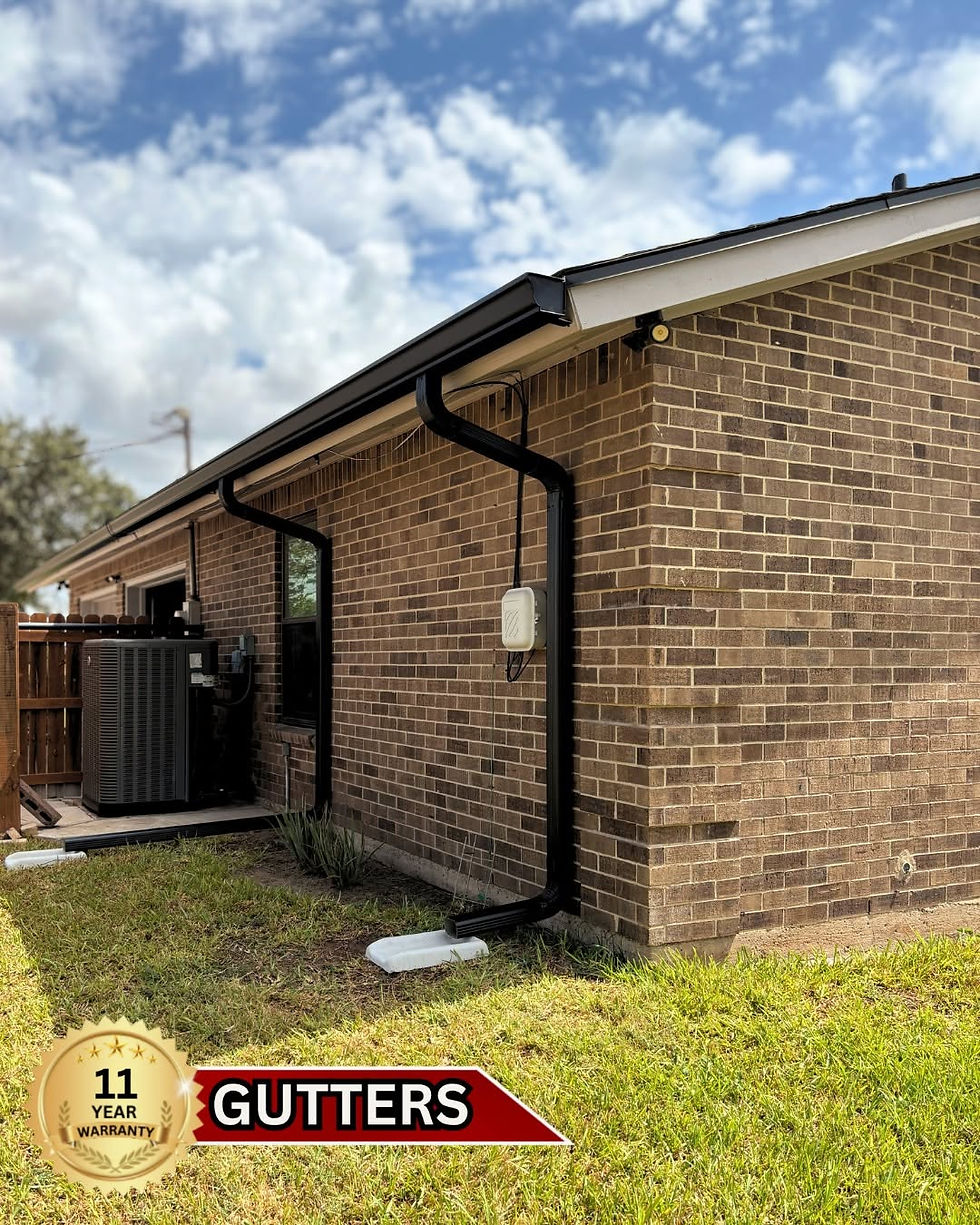
Splash blocks
Downspout extensions
Landscape grading
Drainage pathways
Without proper drainage, water may still collect near the home's foundation even if the gutters themselves are working correctly.
A complete drainage plan offers the best protection against water damage.
Overlooking Routine Maintenance
Even a perfectly installed gutter system requires ongoing care.
Routine maintenance should include:
Cleaning gutters regularly
Removing debris from downspouts
Inspecting for leaks
Tightening loose fasteners
Checking for sagging sections
Inspecting after severe storms
Many homeowners also choose gutter guards to reduce debris buildup and simplify maintenance.
Keeping up with regular inspections helps prevent small issues from becoming expensive repairs.
Cost Considerations and Long-Term Value
It's understandable to compare installation prices, but the lowest estimate isn't always the best value.
Quality installation may help reduce future expenses by preventing:
Foundation repairs
Water damage
Gutter replacement
Landscape restoration
Fascia board repairs
Choosing experienced installation and durable materials often provides greater value over the life of the gutter system.
For many homeowners, investing a little more upfront leads to lower maintenance costs and longer-lasting protection.
FAQ Section
What is the most common gutter installation mistake?
One of the most common mistakes is installing gutters without the proper slope, preventing rainwater from flowing efficiently to the downspouts.
Can poor gutter installation damage my foundation?
Yes. Improper drainage can allow water to collect around your home's foundation, increasing the risk of soil movement, erosion, and structural issues.
Are seamless gutters better than sectional gutters?
Many homeowners prefer seamless aluminum gutters because they have fewer joints, reducing the chances of leaks and lowering maintenance requirements.
How often should gutters be inspected?
Homeowners should inspect their gutters at least twice a year and after major storms to identify any damage or drainage problems.
Conclusion
Understanding the common installation mistakes homeowners should avoid can help you protect your home from unnecessary water damage and expensive repairs. Proper gutter sizing, correct slope, secure fasteners, well-placed downspouts, and a complete drainage plan all work together to keep rainwater moving safely away from your home.
For homeowners throughout the Rio Grande Valley, investing in quality installation and regular maintenance is one of the best ways to protect your foundation, landscaping, roof, and exterior from South Texas weather.
At David's Aluminum, we proudly provide seamless aluminum gutters, gutter guards, downspouts, gutter cleaning, and professional gutter installation throughout the Rio Grande Valley. Our goal is to deliver durable drainage solutions that protect your home, reduce maintenance, and provide reliable performance for years to come.
Contact Us Today
📞 Call: (956) 638-7153🌐 Visit: www.davidsaluminum.com
Check if your gutter installation is installed properly.


Comments